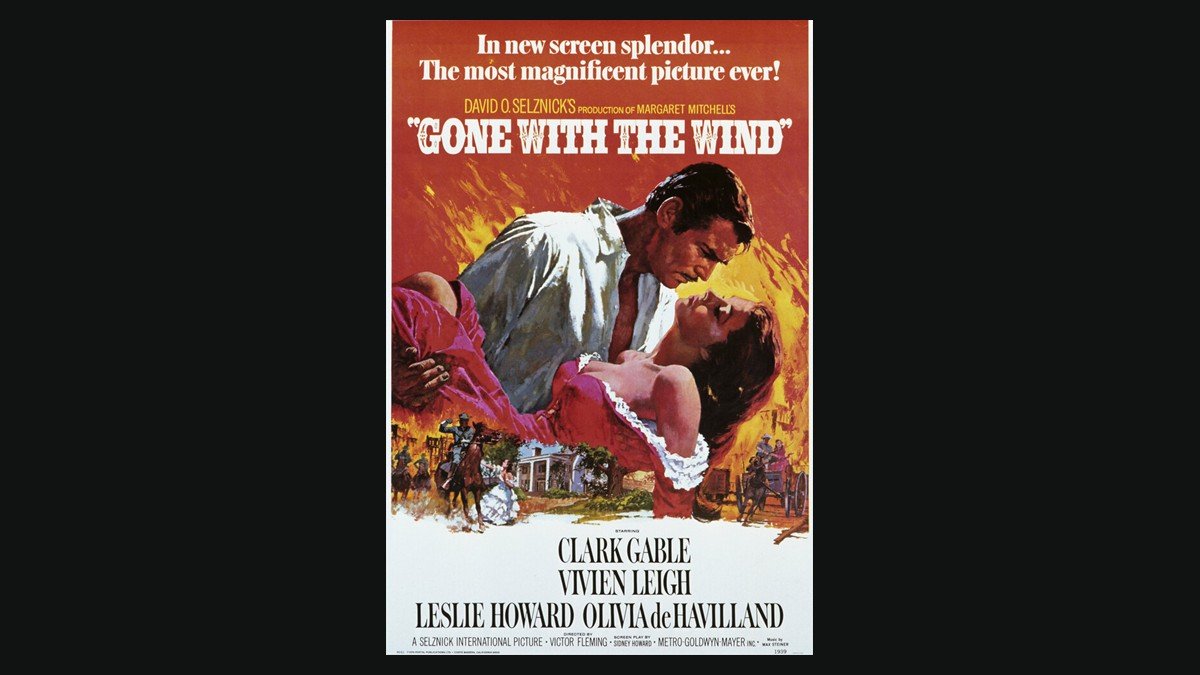
Gone with the Wind is a classic. There are only a few novels which define the ethos of a Nation. They are so definitive or detailed that they become referential points about a period or an era in the history of that Nation. The half truths or generalizations of their narrative does not dilute the force of the story. I can recall Aleksandr Solzhenitsyn’s The Gulag Archipelago, Don Quixote by Cervantes, Little Dorrit by Charles Dickens or Les Miserables by Victor Hugo. Gone with the Wind belongs there. But the novel was not my introduction to the vivid prose of Margaret Mitchell. The film which encapsulates the world of O Hara and Rhett Butler was my path to the novel. The characters are so powerfully portrayed on screen by the actors that I felt they must have been more wonderfully portrayed in the novel.
It is a magnum opus, narrated with the American Civil war as the back drop. It is rated as one of the most read American novels and has been a best seller ever since its publication. It has such characters who give the impression that all of them lived, fought and died on the red cotton fields of Georgia.
What happens between two strongly cast, egotistical personalities who would never risk surrender, whose apparent animosity masks abundant passion for each other, is the major theme of the novel. O Hara’s unfulfilled love for Wilkes and Rhett Butler’s dislike of his wife’s passion towards her adolescent love even after marriage is the cause of conflict. With the Civil war looming large over the fortunes of most people living in the Confederate states, most events in the novel are connected to it in one way or other. A coming of age story, a historical romance and a novel about survival or about people with gumption as the novelist calls it; it scores high on readability although it runs to more than 1000 pages. Coming to the question of ethnicity and race, the novel addresses the question of race in American society although in its own terms.
My reading self did not like the ending. I would have liked an ending where Rhett and Scarlett cleared all their misunderstandings and are united in each other’s arms. But then the poignancy of the novel would have been lost. It would be an injustice to the strong personalities of both Rhett and Scarlett who will stand pain and humiliation but not pity and kindness. Scarlett O Hara is certainly heroic, a woman far ahead of her times, an iconoclast who faces up to all the troubles of her life with unflinching courage and dour stoicism. Her behavior towards Rhett which is shaped by her blind love for Ashley Wilkes forms the bulk of the novel. Rhett is flippant and sardonic, always ready to hurt Scarlett or steal the thunder out of her words because, he is aware of her ambivalence towards him.
Written in the first half of the 20th century, the title of the novel could be an allusion to a certain way of life deeply connected to the South but vanished now. Rhett Butler departs saying, “Frankly, My dear I don’t give a damn.” And Scarlett O Hara says “After all Tomorrow is another day.” ( To be continued)